Catalogue
Specialty research materials1 specification

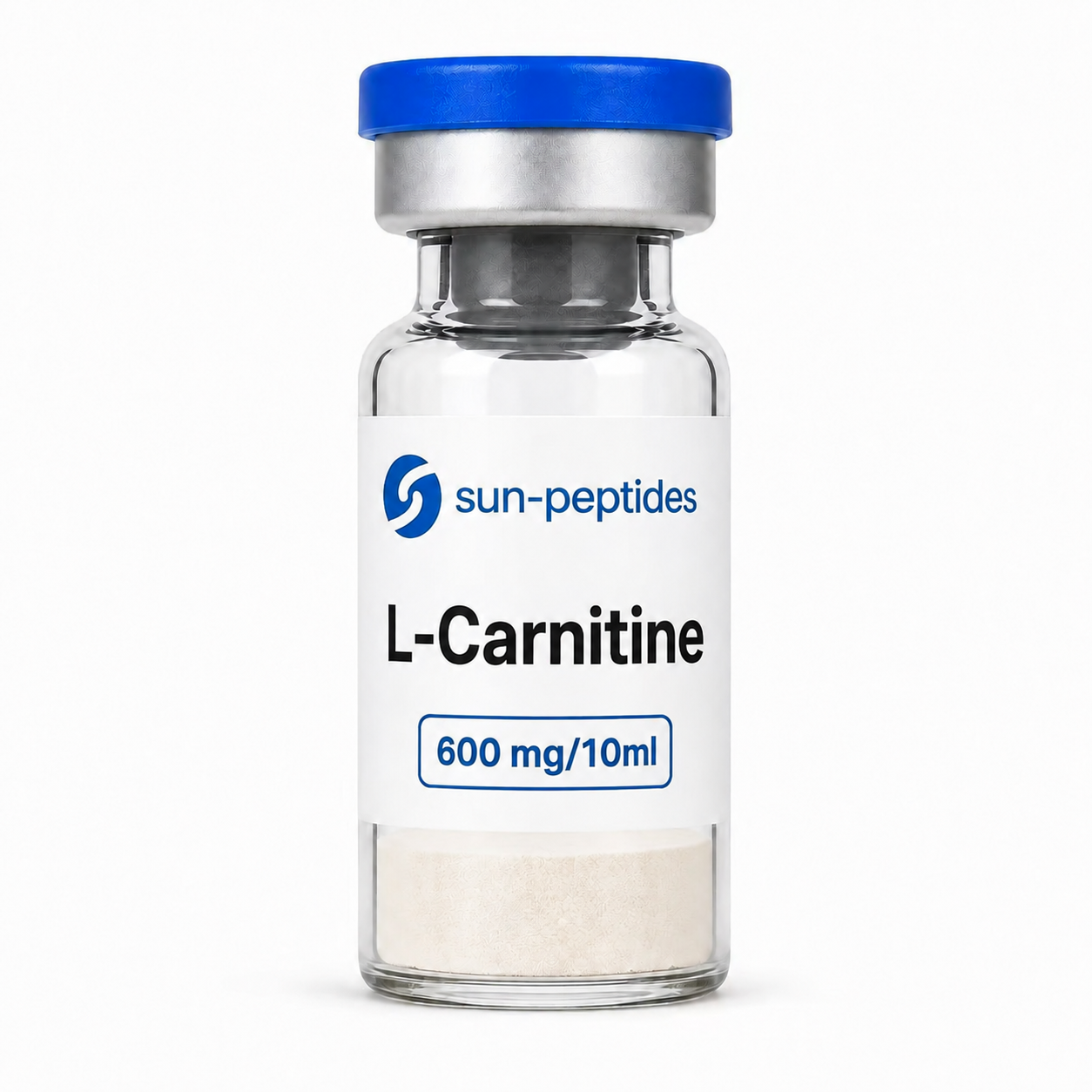
L-Carnitine

COA on request

L-Carnitine: Helps burn fat into energy. It plays a key role in transporting fatty acids into the mitochondria — the energy-producing centres of your cells — where they are converted into usable energy. Often used to support fat metabolism, exercise performance, and recovery.

Wholesale quote requiredPrice confirmed by sales
Choose specification
Selected SKU
LC600
Pack
600 mg/10 mL/vial
Status
Available for inquiry

No payment is taken online. Sales confirms availability, documentation, shipping, and commercial terms.

Purity≥98%Estimated delivery: within one week after the order is placed.
COA is available on request

COA files are available in the document library; additional batch-specific documentation can be requested with your inquiry. Each batch is tested with HPLC purity analysis (≥98%). For MSDS or detailed storage protocols, please contact our sales team.

Order formatOne box accepted
DeliveryWithin one week after order
ShippingShipping and duties included
DocumentationCOA available on request

Research effects

L-Carnitine is a naturally occurring quaternary ammonium compound that plays a central role in fatty acid oxidation and energy metabolism. Clinically, L-carnitine is widely used for treating primary or secondary carnitine deficiency, improving symptoms of myocardial ischemia, heart failure, peripheral vascular disease, and diabetic neuropathy. In sports nutrition, L-carnitine is valued for its ability to promote fat burning, increase exercise endurance, reduce post-exercise muscle damage, and accelerate recovery. Furthermore, L-carnitine demonstrates positive potential in improving cognitive function, slowing neurodegenerative disease progression, and maintaining male reproductive health.
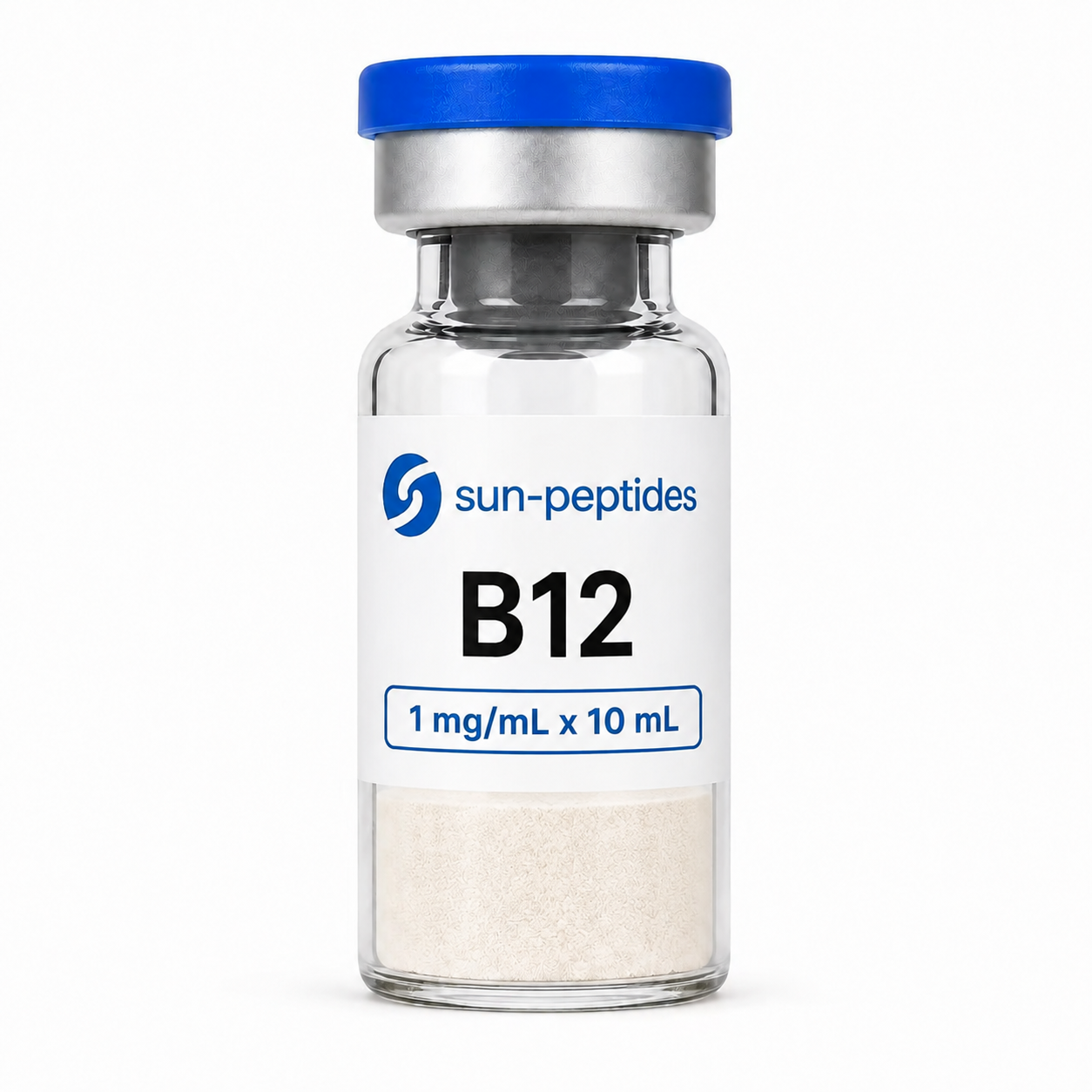
Research mechanism

L-Carnitine exerts its core metabolic function by transporting long-chain fatty acids into the mitochondrial matrix for β-oxidation. This process relies on the synergistic action of carnitine palmitoyltransferase-1 (CPT-1) and CPT-2, transferring fatty acids across the inner mitochondrial membrane as acylcarnitines to provide energy for cells. Under energy stress conditions, L-carnitine enhances fatty acid oxidation and glucose uptake through modulation of the AMPK signaling pathway. Additionally, L-carnitine's antioxidant properties enable free radical scavenging, cell membrane stabilization, and inhibition of lipid peroxidation. Its neuroprotective effects are believed to be associated with improved mitochondrial function, reduced oxidative stress, and modulation of acetylcholine synthesis.

Product details

Key identity and handling information for the selected research material.

Material identity

L-Carnitine is not a peptide. Confirm stereochemical identity, salt or base form, concentration, pH, and assay basis.

Storage guidance

Store unopened material in its original sealed packaging, protected from light, moisture, and repeated temperature changes. Follow the product label and batch document for the exact storage temperature. After opening or preparation, use only a validated laboratory storage protocol.

Quality review

Report a quality concern within 14 days of delivery with the order, batch details and available photos.

Resolution

When a quality claim is approved, choose a full refund or replacement shipment.

24/7 WhatsApp contact

Sales support remains available for product, documentation and wholesale inquiry follow-up.

LC600600 mg/10 mL/vial