Research effects
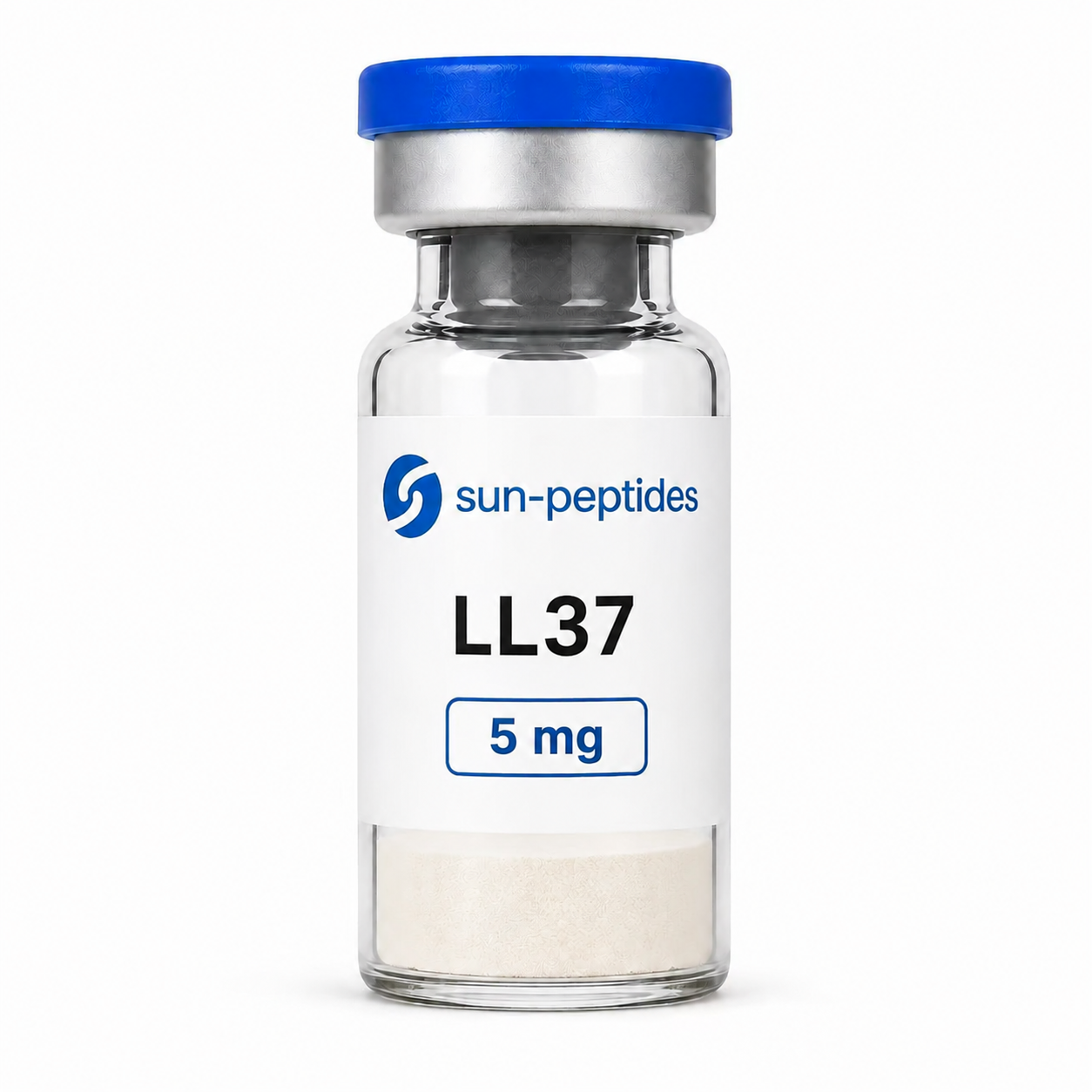
LL-37 is the only known cathelicidin-type antimicrobial peptide in humans, consisting of 37 amino acids cleaved from the cathelicidin precursor protein, named for its two N-terminal leucines. It is a multifunctional host defense peptide with both broad-spectrum direct antimicrobial activity (effective against Gram-positive/negative bacteria, fungi, and viruses) and complex immunomodulatory functions. While its antibacterial action was traditionally attributed to membrane disruption, recent studies have identified membrane-independent killing mechanisms, and certain bacteria can be permeabilized without being killed, suggesting far more complex antibacterial mechanisms. Immunologically, LL-37 exerts dual pro-inflammatory or anti-inflammatory effects on different immune cells depending on the microenvironment, participating in autoimmune and various other pathological processes. Notably, LL-37 can self-assemble with nucleic acids (e.g., CpG oligonucleotides) via electrostatic interactions into nanoparticles, enhancing cellular uptake of immunoadjuvants by up to 5.4-fold and significantly amplifying immune responses. LL-37 also exhibits dual pro-/anti-tumor roles in cancer and shows regulatory potential in conditions such as osteoporosis and atherosclerosis.