Research effects
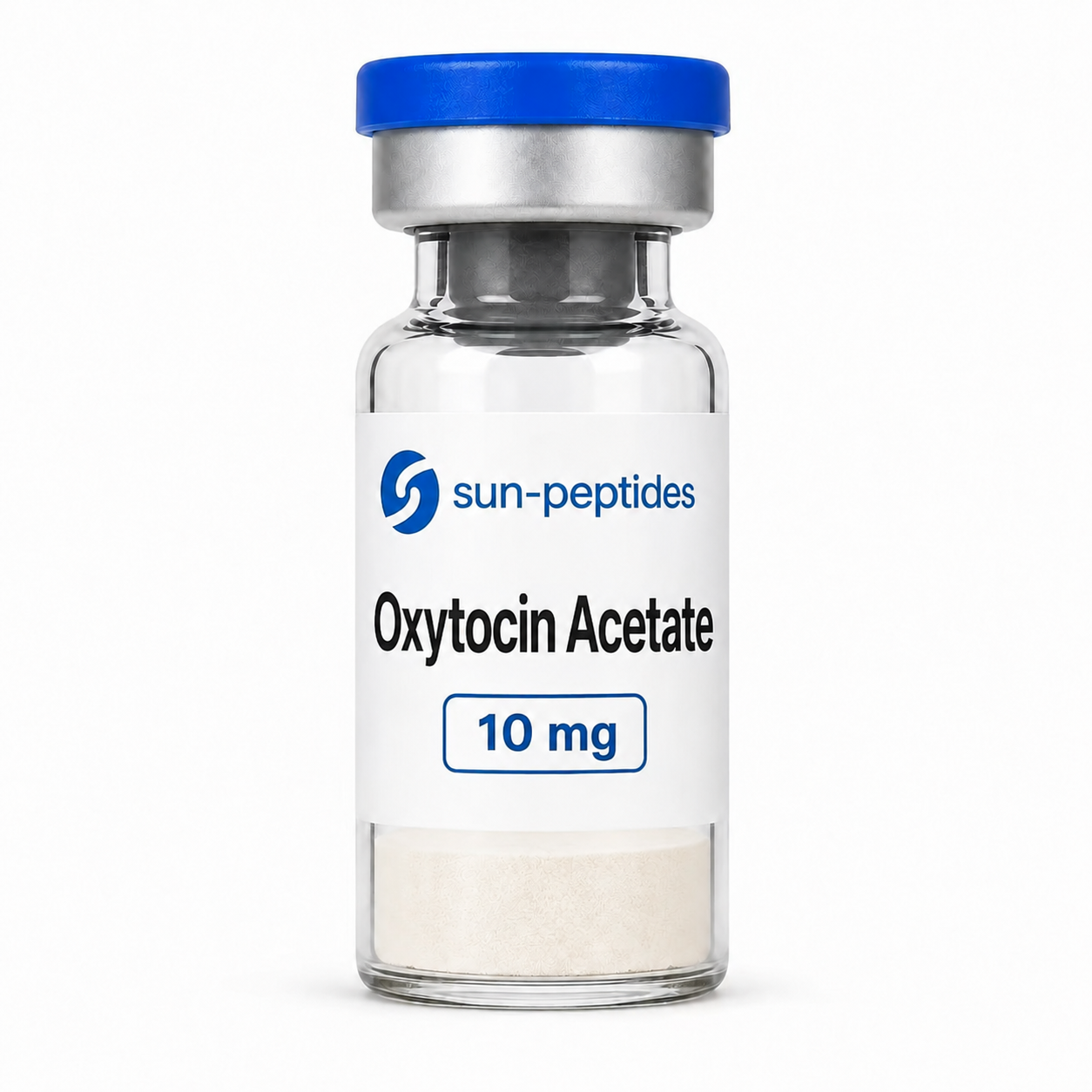
Oxytocin Acetate is a cyclic 9-amino-acid neurohypophysial peptide hormone that acts as an endogenous ligand for the oxytocin receptor (OTR). Its primary clinical utilities include inducing uterine contractions and lactation, with extensive applications in labor induction, augmentation, and management of postpartum hemorrhage. Mechanistically, it activates the G protein-coupled receptor OTR, coupling to Gαq/11 proteins and downstream signaling cascades that promote myometrial contraction. Beyond obstetrics, oxytocin modulates prosocial behaviors and emotional regulation; in postpartum depression mouse models, it exerts antidepressant-like effects by upregulating synaptic plasticity proteins (PSD95, Synapsin I) and modulating microglial activity. Emerging evidence from recent reviews highlights its regulatory role in energy and glucolipid metabolism, suggesting potential therapeutic applications in obesity. Additionally, oxytocin acts as a positive allosteric modulator of the μ-opioid receptor, contributing to analgesic effects.