Research effects
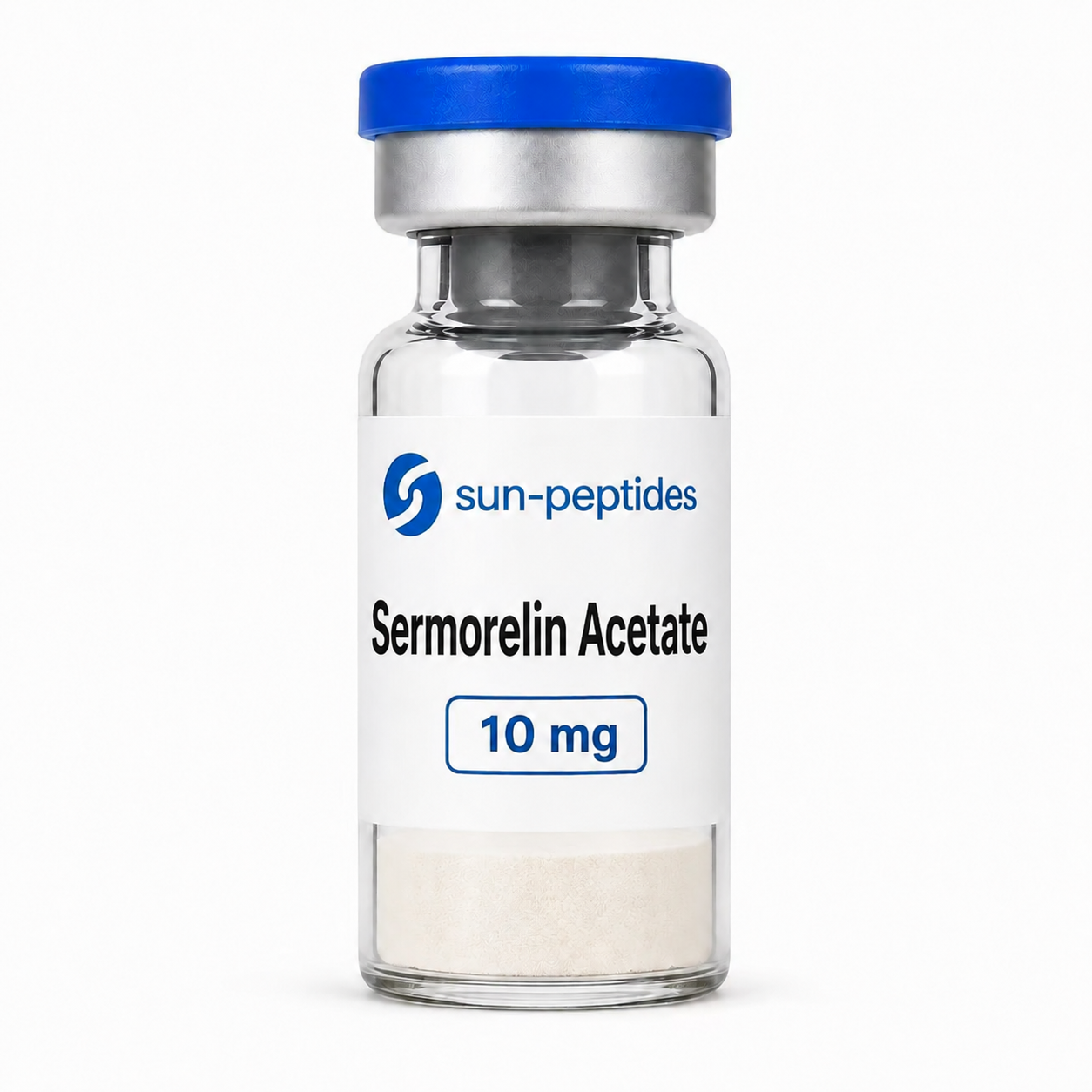
Sermorelin Acetate is a synthetic 29-amino-acid peptide corresponding to the bioactive N-terminal segment of endogenous human growth hormone-releasing hormone (GHRH). Its core mechanism involves binding to pituitary GHRH receptors, activating adenylyl cyclase to stimulate growth hormone (GH) secretion and release. Clinically, it is approved for diagnosing and treating idiopathic growth hormone deficiency in children. Emerging research has expanded its potential applications: it readily crosses the blood-brain barrier and inhibits glioma cell proliferation by regulating the cell cycle and nuclear division; sensitivity correlates positively with immune checkpoint enrichment and M0 macrophage infiltration, suggesting enhanced immune function against tumor invasion. In anti-aging and performance enhancement contexts, it is promoted as a GH-releasing peptide despite limited clinical evidence for such uses; it is prohibited by WADA, with potential risks including injection-site reactions.