Research effects
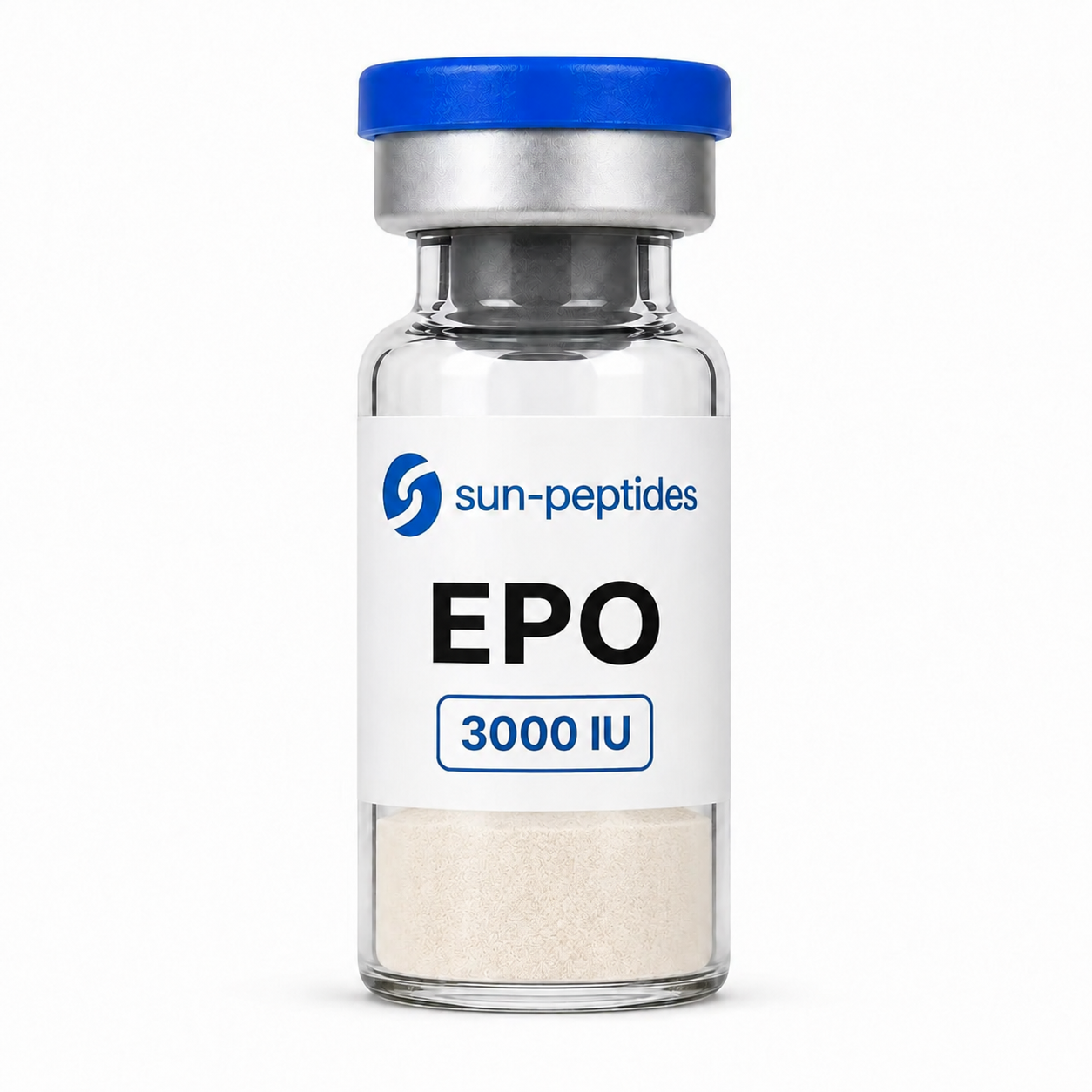
Erythropoietin (EPO) is a glycoprotein hormone primarily secreted by the kidneys, playing an irreplaceable core role in promoting erythropoiesis and improving tissue oxygenation. Clinically, recombinant human erythropoietin (rHuEPO) is the standard treatment for renal anemia, chemotherapy-induced anemia, and perioperative red blood cell mobilization, effectively elevating hemoglobin levels, reducing transfusion requirements, and significantly improving patients' quality of life and exercise tolerance. Additionally, EPO demonstrates important non-hematopoietic functions, including neuroprotective effects—reducing infarct size and promoting neurological recovery in models of cerebral ischemia and spinal cord injury—as well as capacities in promoting angiogenesis and tissue repair.
Research mechanism
EPO exerts its biological effects by binding to specific erythropoietin receptors (EPOR) dimers on the cell surface. Upon EPO-EPOR binding, JAK2 tyrosine kinase is activated, triggering a cascade of downstream signaling pathways, including STAT5, PI3K/Akt, and MAPK/ERK. These signaling events not only promote the survival, proliferation, and differentiation of erythroid progenitor cells but also activate anti-apoptotic pathways in non-hematopoietic tissues, such as upregulating Bcl-xL and downregulating Caspase-3, thereby protecting cardiac and neuronal cells from ischemic injury. Furthermore, EPO induces endothelial nitric oxide synthase (eNOS) activation, promoting vasodilation and tissue perfusion. Its tissue-protective effects are believed to be primarily mediated through the innate repair receptor (IRR), composed of EPOR and the β-common receptor (CD131), a mechanism that distinguishes it from its purely hematopoietic functions.