Research effects
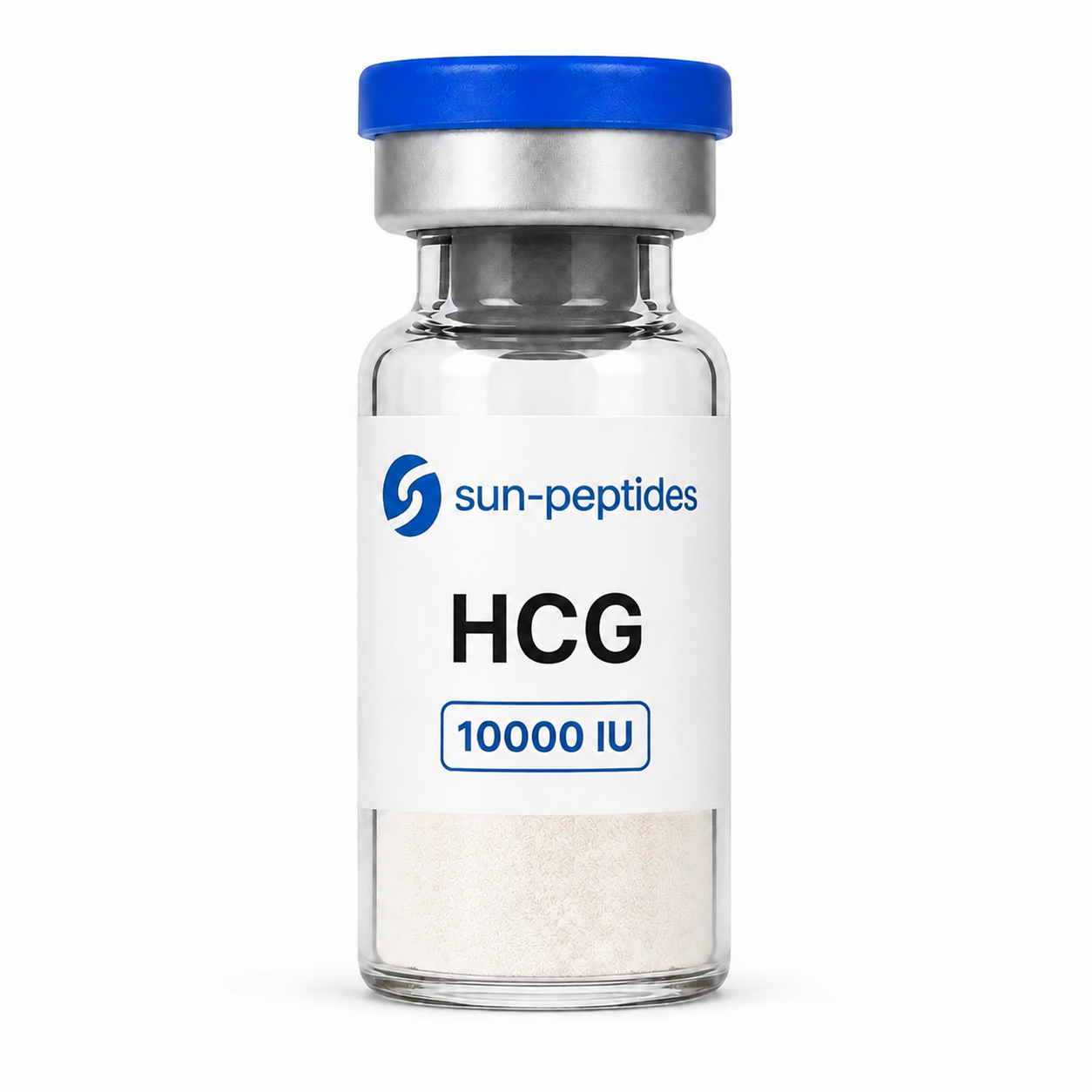
Human chorionic gonadotropin (HCG) is a glycoprotein hormone secreted by placental trophoblast cells, holding significant clinical value in reproductive medicine. In females, HCG mimics luteinizing hormone (LH) to trigger final oocyte maturation and ovulation, making it widely used in assisted reproductive technologies (e.g., IVF) for ovulation triggering and treatment of infertility due to ovulation disorders. In males, HCG stimulates testicular Leydig cells to produce testosterone, used to treat delayed puberty and male infertility resulting from hypogonadotropic hypogonadism, while also helping to maintain sexual function and improve semen quality. Additionally, HCG is used in pediatrics for treating cryptorchidism.