Catalogue
Proteins and hormones5 specifications

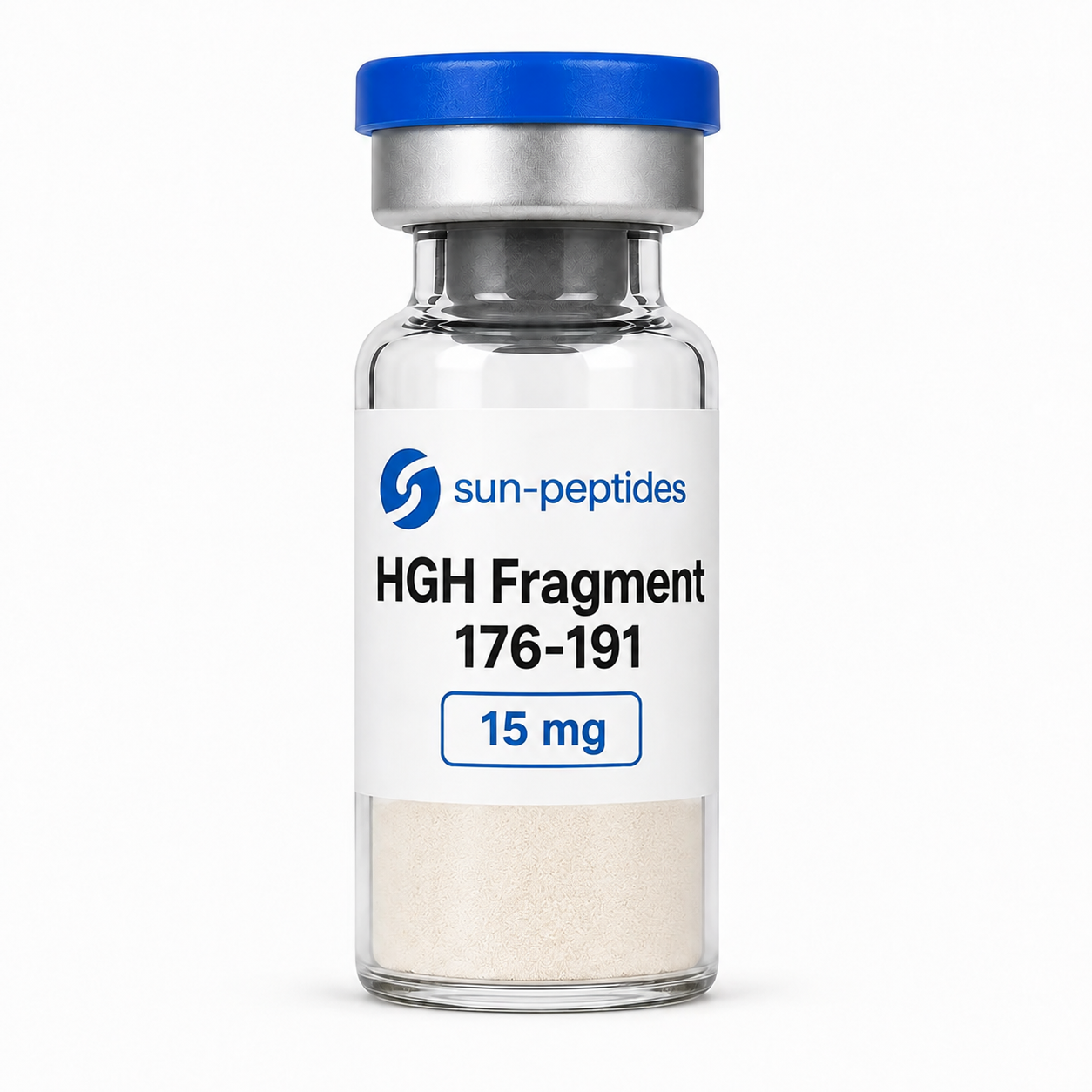
HGH Fragment 176-191

COA on request

HGH Fragment 176-191 is a growth hormone-derived peptide fragment specifically designed for fat metabolism. It promotes lipolysis (breakdown of stored fat) for efficient fat burning without affecting blood sugar levels. Unlike full-length growth hormone, it has no impact on overall growth effects, offering a targeted and gentle option for fat loss.

Wholesale quote requiredPrice confirmed by sales
Choose specification
Selected SKU
FR2
Pack
2 mg x 10 vials
Status
Available for inquiry

No payment is taken online. Sales confirms availability, documentation, shipping, and commercial terms.

Purity≥98%Estimated delivery: within one week after the order is placed.
COA is available on request

COA files are available in the document library; additional batch-specific documentation can be requested with your inquiry. Each batch is tested with HPLC purity analysis (≥98%). For MSDS or detailed storage protocols, please contact our sales team.

Order formatOne box accepted
DeliveryWithin one week after order
ShippingShipping and duties included
DocumentationCOA available on request

Research effects

HGH Fragment 176-191 (also known as the parent fragment of AOD9604) is a specific peptide segment derived from the C-terminal region of human growth hormone, demonstrating high selectivity in promoting lipolysis and inhibiting lipogenesis. Unlike full-length HGH, this fragment retains HGH's fat-metabolic activity without affecting blood glucose levels or promoting cell proliferation. Preclinical studies demonstrate that HGH Fragment 176-191 significantly reduces abdominal fat and total body fat without inducing insulin resistance or growth-stimulating effects. Users report this peptide is notably effective in reducing stubborn fat (particularly abdominal and visceral fat), without common HGH side effects including hyperglycemia and edema.
Research mechanism

HGH Fragment 176-191 selectively initiates lipolytic signaling pathways by activating specific receptors on adipocyte surfaces. It promotes triglyceride hydrolysis into free fatty acids and glycerol for oxidative energy utilization through regulation of hormone-sensitive lipase (HSL) activity. This fragment does not bind to the classical GHR dimer nor activate the JAK2/STAT5 pathway, thus avoiding IGF-1 stimulation and glucose metabolism interference. Its mechanism likely involves regulation of non-classical signaling pathways including p38 MAPK and ERK, effectively dissociating lipolytic effects from growth-promoting and hyperglycemic effects.

Product details

Key identity and handling information for the selected research material.

Material identity

Confirm residue numbering, any added N-terminal residue, terminal modifications, and exact molecular mass because related fragments may share similar names.

Storage guidance

Store unopened material in its original sealed packaging, protected from light, moisture, and repeated temperature changes. Follow the product label and batch document for the exact storage temperature. After opening or preparation, use only a validated laboratory storage protocol.

Quality review

Report a quality concern within 14 days of delivery with the order, batch details and available photos.

Resolution

When a quality claim is approved, choose a full refund or replacement shipment.

24/7 WhatsApp contact

Sales support remains available for product, documentation and wholesale inquiry follow-up.

FR22 mg x 10 vials